
The Standard Course on Computational Geotechnics has over 30 years of history for teaching the practical application of the Finite Element method in geotechnical engineering. The standard course is aimed at both beginning users to get a quick start and users with already some experience or experience with an older version of the software. The standard course focuses mostly on the engineering application, specifically on excavations and embankments, but also gives insight in more theoretical topics as elasticity and plasticity, consolidation and undrained soil behaviour. Experts with a thorough theoretical background and an extensive experience in practical computer modelling have been invited to give lectures and to prepare exercises as well as case studies.
What will the course cover?
• Introduction to PLAXIS (Introduction day)
• Using structural elements (Introduction day)
• Initial stress generation (Introduction day)
• Modelling pore pressures (Introduction day)
• Elasticity and Plasticity
• Mohr-Coulomb and Hardening Soil models, parameters and usage
• Excavation design and using PLAXIS for excavation problems
• Dam and embankment design and using PLAXIS
• Undrained soil behaviour
• Factor of safety determination with Finite Elements
• Meshing and modelling strategies
• Introduction to unsaturated soil behaviour
Participants can choose to attend only the 3-days standard course or include the introduction day prior to the course. For new PLAXIS users, we recommend joining the introduction day as well.
What should I have?
- General knowledge on soil mechanics and geotechnical engineering
Introduction Day: 6 May 2025
Standard Course on Computational Geotechnics: 7-9 May 2025
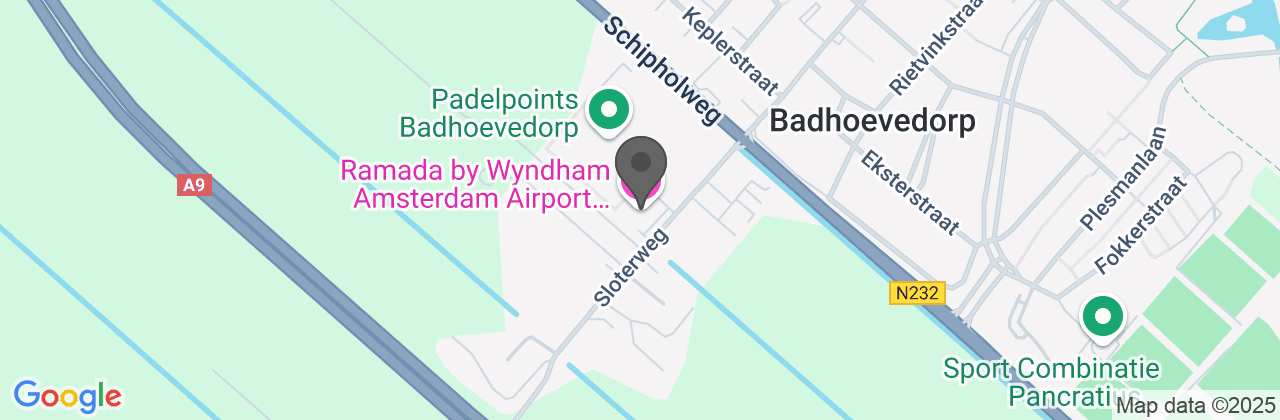
The course cost includes
• Lunches and dinners on the course days
• The use of a computer provided by the organization with the appropriate licenses installed
• Binder with printed course material

Antonio has been at the UPC since 1983. He has been involved in geotechnical research, education and practice for more than 25 years with special reference to the application of numerical analysis to engineering problems. He has consulted in a variety of projects involving deep excavations, tunnels, foundations and slopes.
Dennis obtained a Master's degree in Civil Engineering at Delft University of Technology before he joined PLAXIS in 1996 as a programmer. He has been involved for several years in the development of new PLAXIS products before shifting his main field of activity to user support and lecturing courses in 2002. Since 2006 he is the international course coordinator, a position he continued to fulfil when PLAXIS joined Bentley Systems in 2018 and Seequent in 2021. From 2020 Dennis is now also responsible for the technical documentation of PLAXIS.